
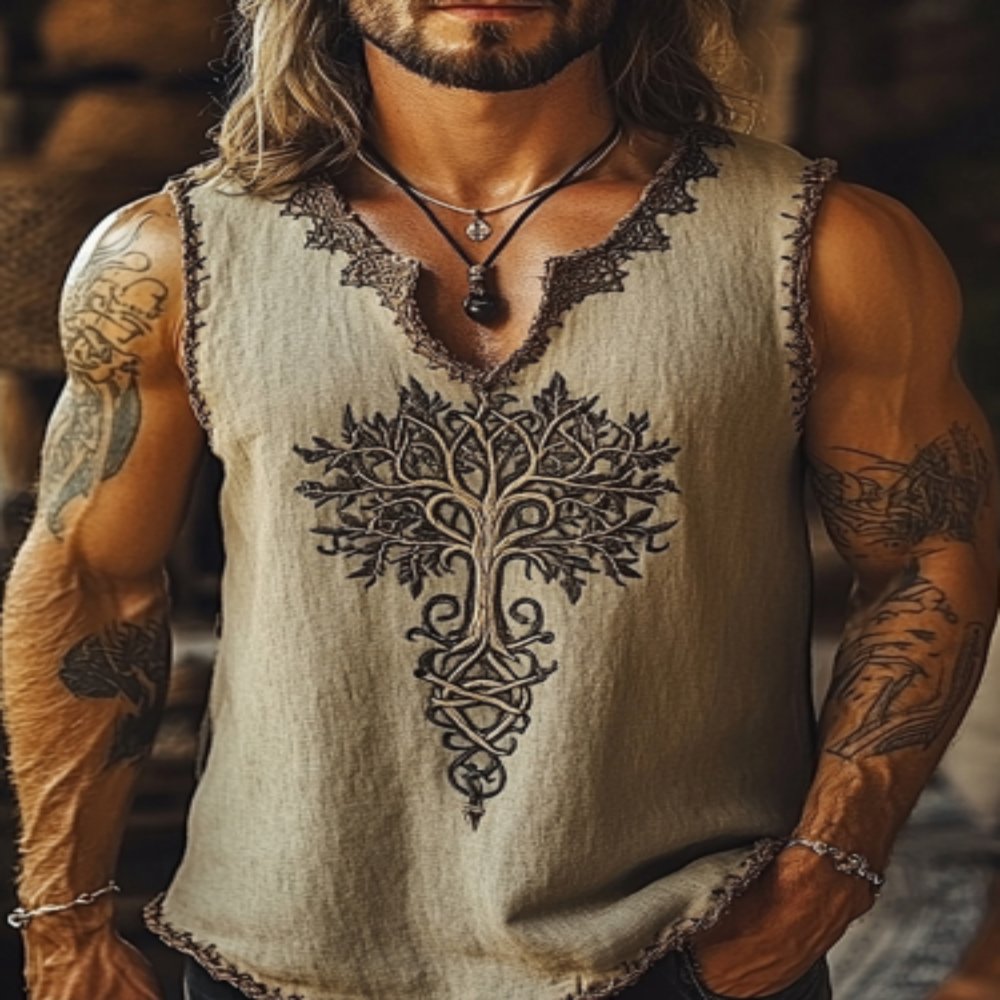
Tank Top RFQs: Define Neck and Armhole Measures
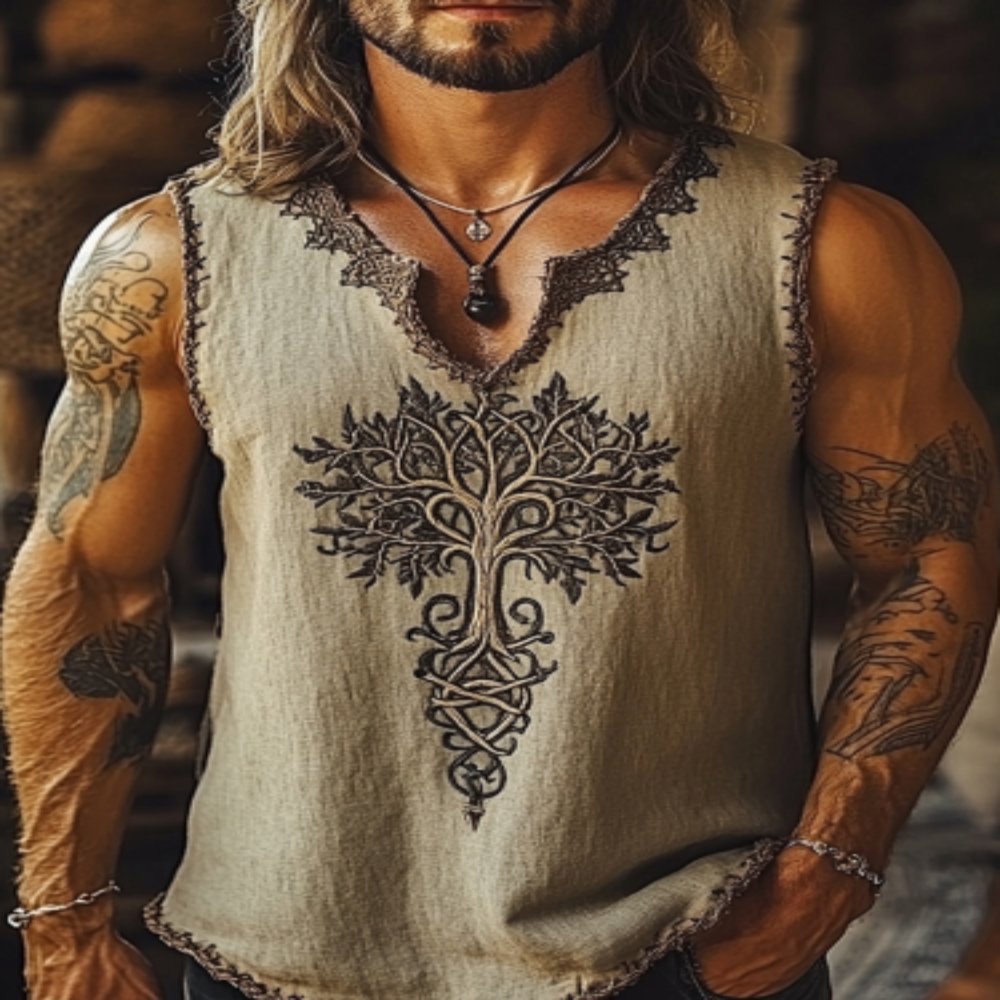
A tank top RFQ should identify the neckline and armhole construction, then define the start and end points of each requested measurement. Link the size sheet to an actual sample and a stated measurement condition. A model photograph can identify the style, but it cannot establish flat garment dimensions or a complete size specification.
A sleeveless opening can be described as wide or deep without telling the supplier what the buyer means. Importers requesting wholesale tank tops need reference points that another reviewer can reproduce. This guide focuses on the handover from a selected tank top style to a measurement sheet, before commercial terms are compared.
Select the actual sleeveless construction
Use the Caidu tank top listing to identify the proposed style. Its catalogue illustration shows a sleeveless garment with a shaped neckline. Ask the supplier to confirm the construction and sample version offered instead of treating every item described as a tank top as the same pattern.
Attach a clear style reference to the enquiry and identify the front and back requirements separately. If a feature is not visible in the catalogue view, leave it as a question. The buyer should not fill an unseen detail with an assumption taken from another sleeveless top.
- Selected tank construction and sample size
- Neckline points and measurement path
- Armhole points and measurement condition
- Body dimensions, units and sheet revision
Define the neckline reference rather than its nickname
Ask for a drawing or annotated photograph showing the points used to describe neck width and depth. State whether a measurement relates to the opening edge or another agreed construction line. The purpose is a repeatable definition, not a set of numbers that appear precise while referring to different points.
Link those definitions to the size being quoted and confirm the proposed measurement condition. A garment on a model has drape and perspective, so dimensions should come from an agreed sample method. Keep the worn photograph as a style reference rather than using it to calculate the size chart.
| Area | Definition to request | Reference to retain |
|---|---|---|
| Neck opening | Named endpoints and edge reference | Annotated drawing and sample size |
| Armhole | Path and measurement condition | Marked sample review record |
| Body | Length and width reference points | Versioned specification sheet |
Treat the armhole as its own review area
Specify which armhole dimensions matter for the intended style and ask the supplier to mark their endpoints. A straight distance across an opening and a measurement following its edge describe different paths. Label the method on the sheet so the reviewer knows what is being compared.
Review the relationship between the armhole, shoulder area and body outline on the selected sample. If the buyer wants a change, identify the requested area rather than writing only more comfortable or less open. Ask the supplier to propose the revised construction for review without assuming that one change leaves every other measurement unchanged.
Keep body dimensions and comparison styles separate
Add the agreed body measurement points to the same specification, including the way garment length and width are defined. Record the sample size and the units used. A neck or armhole adjustment should remain visible alongside the body measurements rather than being hidden in a general style description.
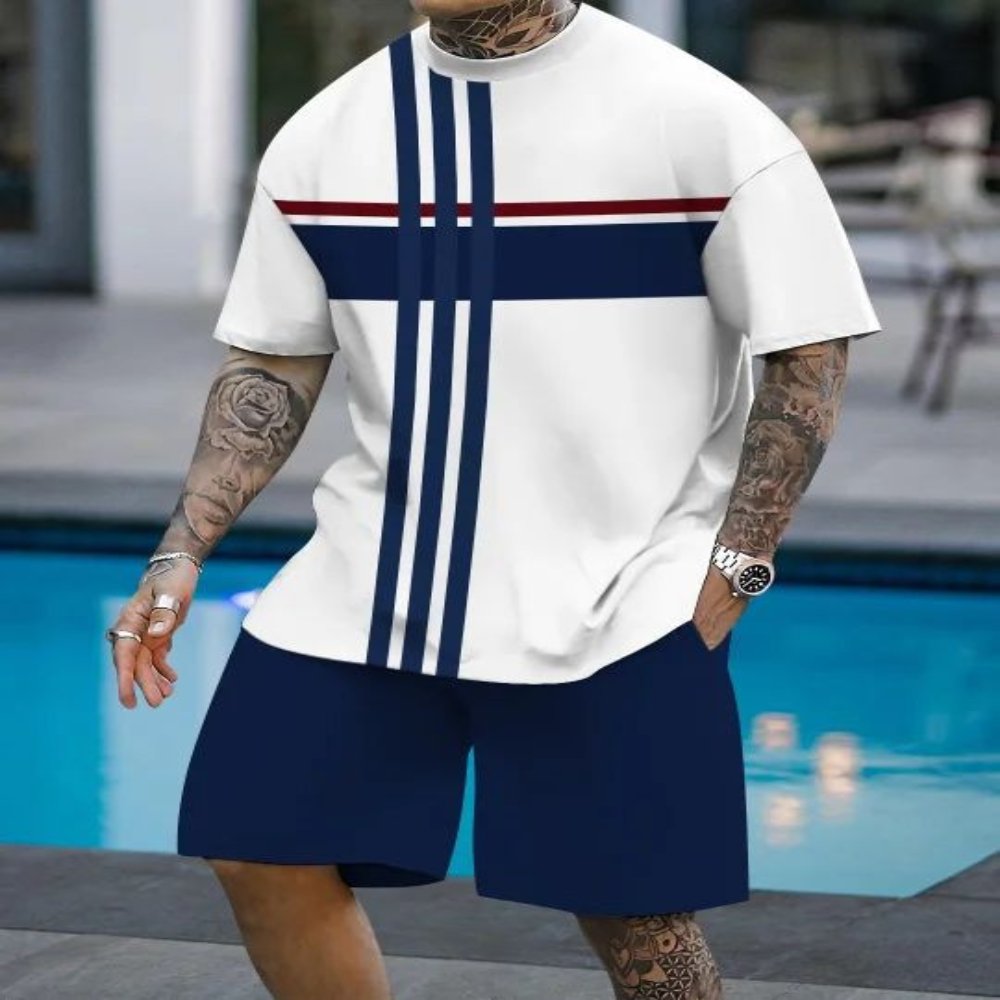
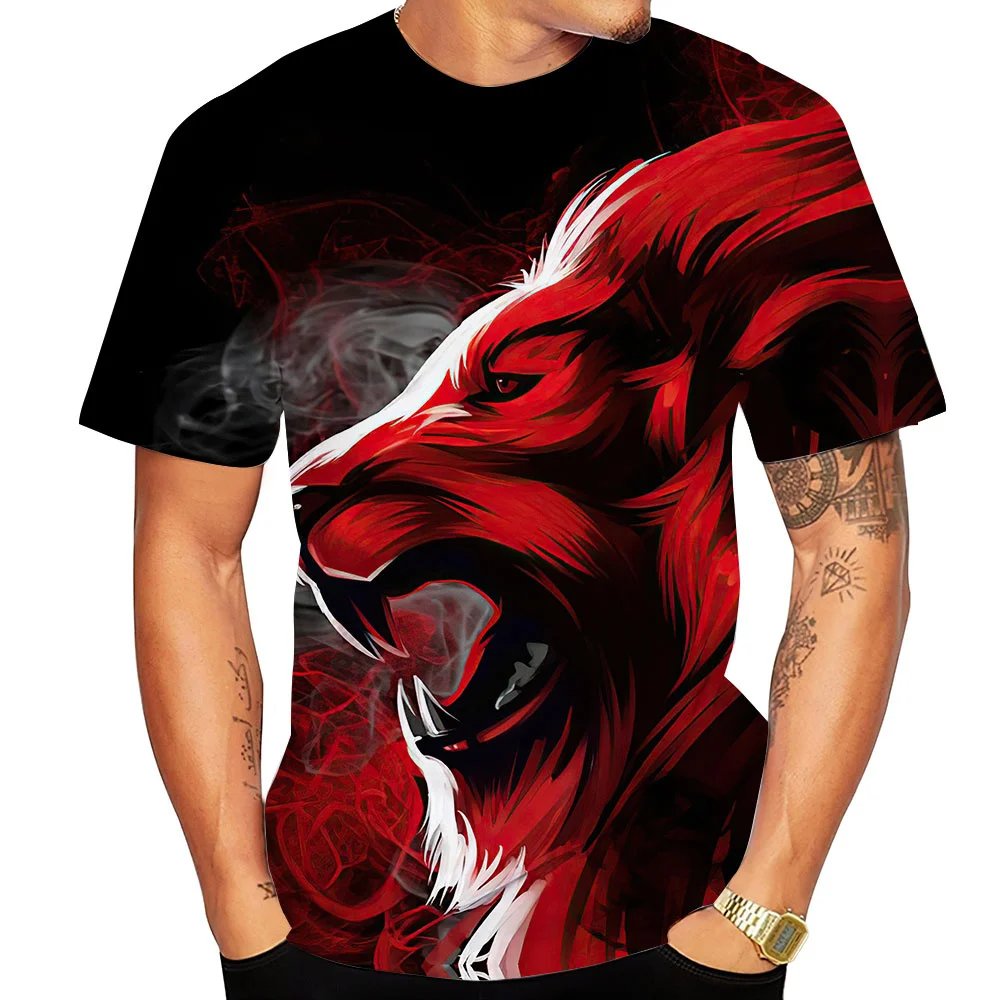
Caidu lists sleeved T shirts and a T shirt set as other constructions. Their images provide useful contrasts, but they are not tank top measurement standards. If several garment forms are bought together, give each its own measurement sheet and approved sample reference.
Resolve the open fields before confirming the RFQ
Compare the requested measurements with the supplier response field by field. Keep unknown values and proposed changes visible. Ask which sample or drawing supports the response, so purchasing can distinguish a confirmed specification from an initial style suggestion.
Once the measurement sheet is accepted, assign its revision to the order and retain the referenced sample. Future sizes or altered openings may require another review. Do not describe an accepted measurement sheet as evidence of stretch recovery, comfort for every wearer or any unperformed material test.
Frequently Asked Questions
Can neck depth be estimated from a model image?
Use the image to discuss style, then request an agreed measurement definition and sample values. Pose, perspective and drape make a worn image unsuitable as a size drawing.
Why specify the armhole measurement path?
Different paths describe different dimensions. The supplier and buyer need to know whether a value follows an edge or measures a stated straight distance between identified points.
Can a T shirt size sheet be reused unchanged?
Do not assume it applies. A sleeved top and a tank top have different openings and construction, so each selected form needs its own confirmed specification and sample reference.
What should a revised opening request include?
Identify the feature, mark the requested change and keep the related body measurements visible. Ask for a revised proposal so the complete construction can be reviewed together.
Compare the Caidu garment range and follow the buyer blog for new sourcing topics. Send the style reference, annotated points and open size questions through Caidu contact to make the RFQ reproducible.